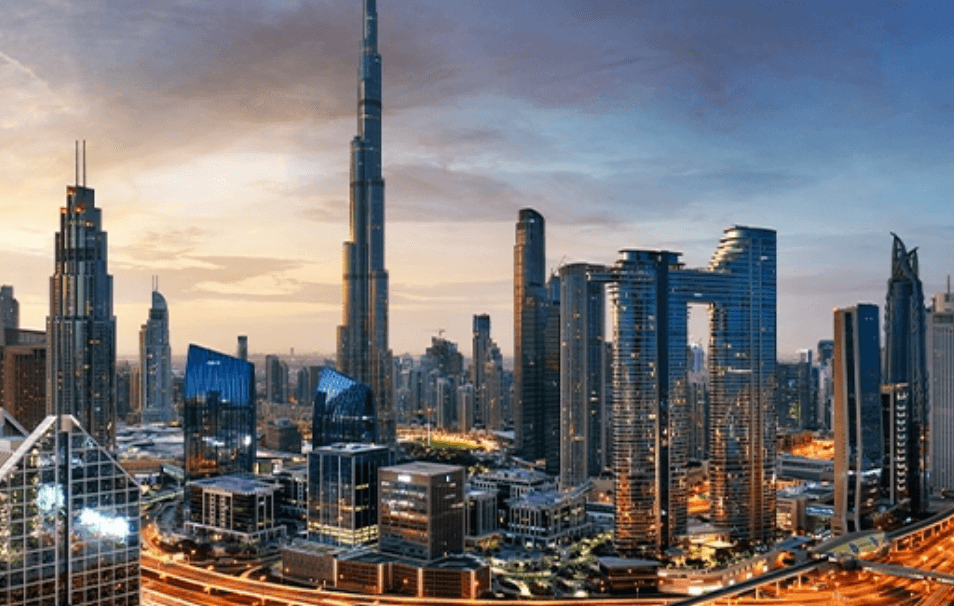
Dubai has become one of the world’s most attractive destinations for real estate investment. Known for its modern skyline, stable economy, and investor-friendly laws, the city offers opportunities for both residents and international buyers. Whether you’re looking to buy an apartment, invest in rental income, or purchase luxury property, Dubai’s real estate market continues to be one of the most dynamic in the world.
This guide explains why Dubai is a global real estate hub, how to invest safely, and what to expect in 2025.
Why Dubai Attracts Real Estate Investors
1. Strong Economic Growth
Dubai has transformed from a small trading port into a global business center. Its economy is diversified across tourism, technology, finance, logistics, and real estate. The government has also made continuous efforts to attract foreign investors through free zones, flexible visa options, and tax benefits.
2. Tax-Free Environment
One of Dubai’s biggest advantages is its tax-free property ownership system. There is no property tax, no capital gains tax, and no inheritance tax. This means that investors keep more of their profits compared to many other global cities.
3. High Rental Yields
Dubai consistently ranks among the top cities in the world for rental returns. Depending on the area, investors can expect rental yields between 6% and 9% per year. Areas like Business Bay, Jumeirah Village Circle (JVC), and Dubai Marina often deliver solid returns due to strong rental demand.
4. Residency by Investment
Investors who purchase property worth at least AED 1 million (around USD 272,000) can qualify for a renewable residency visa. This makes Dubai particularly appealing to international buyers looking for both lifestyle and investment benefits.
5. World-Class Infrastructure
Dubai is famous for its modern roads, advanced public transport, luxury malls, and entertainment options. This high standard of living attracts millions of tourists and expatriates every year, ensuring consistent demand for both rental and resale properties.
Best Areas for Real Estate Investment in Dubai
Dubai’s real estate market offers something for every investor. Here are some of the most popular and profitable locations:
1. Downtown Dubai
Home to the Burj Khalifa and Dubai Mall, Downtown Dubai is a prime luxury area. Properties here are expensive but deliver steady rental demand and strong resale value. Ideal for long-term investors.
2. Dubai Marina
One of the most popular neighborhoods for expats and tourists. High-rise apartments with marina views attract strong rental income. It’s an excellent area for short-term rentals such as Airbnb.
3. Business Bay
Located near Downtown, Business Bay offers modern apartments and offices at slightly lower prices. It’s quickly becoming a commercial and residential hub, making it a great mid-range investment.
4. Palm Jumeirah
Known worldwide for its unique palm-shaped design, Palm Jumeirah is Dubai’s most iconic luxury destination. Villas and apartments here cater to high-end investors and deliver strong long-term appreciation.
5. Jumeirah Village Circle (JVC)
JVC is an affordable area with excellent rental yields. It attracts young professionals and small families, offering a mix of apartments and townhouses at competitive prices.
6. Dubai Hills Estate
A newer development by Emaar, this community offers villas, golf course views, and family-friendly living. Prices are rising steadily as infrastructure and schools expand.
Types of Real Estate Investment in Dubai
-
Residential Properties – Apartments, villas, and townhouses purchased for rental income or resale.
-
Off-Plan Projects – Properties bought directly from developers before completion, often at lower prices and with flexible payment plans.
-
Commercial Properties – Office spaces, retail shops, and warehouses for businesses or lease.
-
Holiday Homes – Short-term rental properties for tourists using platforms like Airbnb or Booking.com.
Each type has its pros and cons. Off-plan properties, for example, require less initial investment but involve longer waiting periods. Ready properties generate income immediately but cost more upfront.
Legal Framework for Property Ownership
Freehold vs. Leasehold
Foreign investors can own property in designated freehold areas such as Dubai Marina, Palm Jumeirah, Downtown, and JVC. Freehold ownership gives full rights to the property and the land it’s built on.
In leasehold areas, ownership is limited to 99 years, after which the property reverts to the landowner.
Registration and Fees
All property transactions must be registered with the Dubai Land Department (DLD).
The main costs include:
-
DLD registration fee: 4% of the property value
-
Oqood (off-plan) registration: AED 1,000–5,000
-
Agency commission: Typically 2% of the sale price
-
Service charges: Annual maintenance costs depending on the building
Financing Options
Foreign buyers can get mortgages from UAE banks, though requirements vary. Most banks finance up to 75–80% of the property value for UAE residents and 60–70% for non-residents.
How to Invest Safely in Dubai Real Estate
-
Work with registered developers and agents
Always check that your developer and broker are registered with the Dubai Land Department. -
Review project status
For off-plan properties, verify the construction progress and escrow account information through the DLD website. -
Understand payment terms
Most developers offer payment plans during construction and after handover. Read the contract carefully to avoid surprises. -
Inspect before buying
For ready properties, always visit the property or hire a third-party inspection service. -
Consider total ownership costs
Service charges, maintenance, and DLD fees should be factored into your investment calculations.
Market Outlook for 2025
Dubai’s real estate market remains stable and continues to grow. According to recent reports, property prices rose steadily through 2024, and demand for both residential and commercial spaces remains strong.
Key trends for 2025 include:
-
Increased demand for sustainable and smart homes
-
Growth in affordable housing and mid-market properties
-
Expansion of the short-term rental market due to rising tourism
-
Continued foreign investment supported by new residency laws
With Expo 2020’s legacy still driving infrastructure and international exposure, Dubai’s property sector is expected to stay on an upward path.
Advantages and Risks
Advantages
-
High rental returns compared to other global markets
-
Tax-free income and transparent regulations
-
Safe environment and stable currency (AED pegged to USD)
-
Residency options for investors
Risks
-
Market fluctuations can affect resale value
-
Off-plan delays if developers face financial issues
-
Maintenance and service charges can be high in luxury areas
Like any investment, doing thorough research and working with professionals is essential.
Conclusion
Real estate investment in Dubai continues to offer strong potential for capital growth and rental income. The city’s investor-friendly laws, tax-free system, and growing demand make it one of the best global markets for property buyers.
If you’re a first-time investor, start with established areas such as Business Bay or JVC, where entry prices are lower and rental demand is strong. For long-term luxury investment, Downtown Dubai and Palm Jumeirah remain unbeatable.
Whether your goal is rental income, capital appreciation, or a second home, Dubai provides an unmatched combination of opportunity, stability, and lifestyle.

Be First to Comment