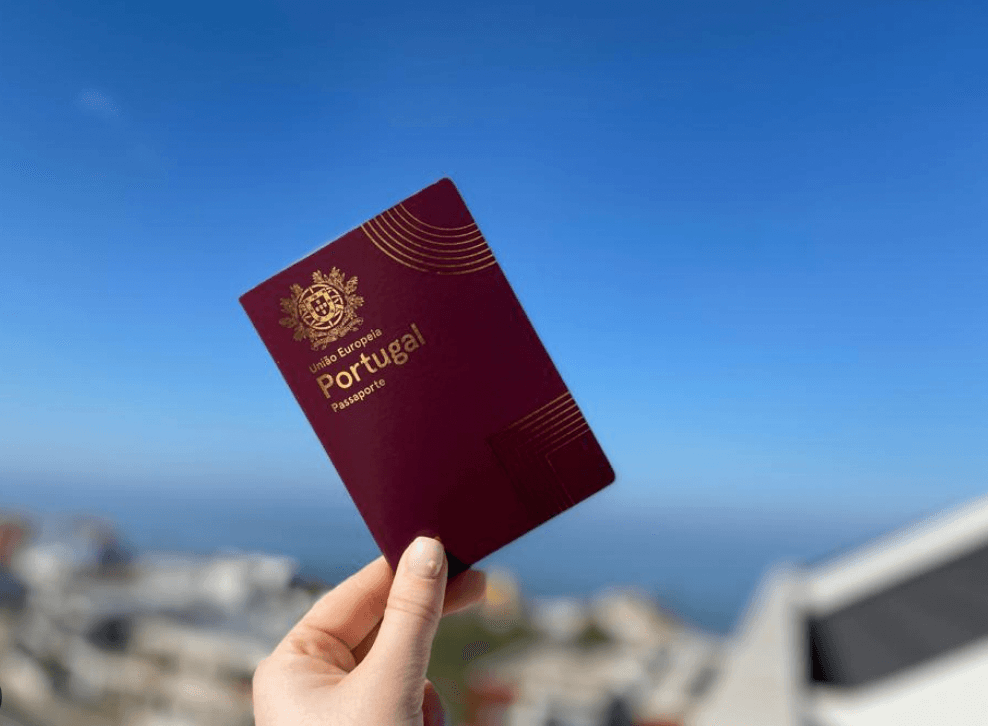
Portugal is one of Europe’s most attractive destinations for international students. With world-class universities, affordable tuition, and a relaxed lifestyle, it’s no surprise that thousands of students from around the world are choosing to study there each year. But before you can enjoy life in Lisbon, Porto, or Coimbra, you’ll need to navigate one key step: getting your study visa.
If you’re planning to study in Portugal, understanding the visa process early can save you time, stress, and unexpected delays. Here’s a detailed breakdown of everything you need to know—from the types of student visas available to what documents you’ll need, how to apply, and what life looks like once you arrive.
1. Why Study in Portugal?
Before diving into visa details, it’s worth knowing why so many students are picking Portugal as their study destination.
Portugal combines a strong higher education system with an affordable lifestyle and a safe, welcoming environment. The country is home to some of the oldest universities in the world—like the University of Coimbra, founded in 1290—and also modern institutions such as the University of Porto, NOVA University Lisbon, and ISCTE – University Institute of Lisbon.
Many programs, especially at the postgraduate level, are now offered entirely in English, covering fields like business, engineering, social sciences, and environmental studies. Tuition fees are generally lower than in Western Europe, ranging from €2,000 to €8,000 per year for most programs.
Add to that Portugal’s mild climate, beautiful coastlines, and easy travel connections across Europe, and it’s easy to see the appeal.
2. Do You Need a Student Visa?
Whether you need a visa depends on your nationality and how long you plan to study.
If You’re from the EU/EEA or Switzerland
Students from EU, EEA, or Swiss countries don’t need a visa to study in Portugal. You can enter freely and stay for your studies, but if your program lasts longer than three months, you’ll need to register your residence at the local city hall (Câmara Municipal).
If You’re from Outside the EU/EEA
Students from non-EU countries will need to apply for a student visa before traveling. There are two main types:
-
Short-Term Study Visa (Type C) – For courses or study programs lasting less than 90 days.
-
Long-Term Study Visa (Type D) – For degree programs or courses lasting more than 90 days (such as bachelor’s, master’s, or PhD studies).
Most international students apply for the Type D long-term study visa.
3. The Portugal Student Visa (Type D): Step-by-Step
Here’s a practical overview of how the process works and what you’ll need to prepare.
Step 1: Get Accepted by a Portuguese Institution
Before applying for a visa, you must receive an official acceptance letter from a recognized university, polytechnic, or higher education institution in Portugal. Without it, you can’t begin the visa application process.
Step 2: Prepare the Required Documents
The list can vary slightly by country, but in most cases you’ll need:
-
A valid passport (with at least six months of validity beyond your planned stay)
-
Two passport-sized photos
-
A completed visa application form
-
The official acceptance letter from your Portuguese university
-
Proof of financial means (such as bank statements or a scholarship letter) showing you can support yourself
-
Proof of accommodation in Portugal (university housing, rental contract, or host letter)
-
Health insurance valid in Portugal and covering at least €30,000 in medical expenses
-
A criminal record certificate from your home country
-
A flight itinerary or travel booking
-
Proof of visa fee payment (usually around €90–€120, depending on your location)
It’s a good idea to check the website of the Portuguese consulate or embassy in your country for the latest and most accurate list.
Step 3: Submit Your Application
Applications are made through the Portuguese embassy or consulate in your home country. You’ll need to book an appointment, submit your documents, and sometimes attend an in-person interview.
Processing times usually range from 4 to 12 weeks, so it’s smart to apply well in advance—ideally three months before your course starts.
Step 4: Receive Your Visa and Travel to Portugal
Once your visa is approved, you’ll receive a Type D student visa sticker in your passport, allowing you to enter Portugal. This visa typically grants two to four months of legal stay while you apply for your residence permit.
Step 5: Apply for a Residence Permit in Portugal
After arriving, you must apply for a student residence permit (Autorização de Residência para Estudo) from the Portuguese Immigration and Borders Service (SEF) within 90 days.
You’ll need to present:
-
Your passport and visa
-
Proof of enrollment
-
Proof of accommodation and financial means
-
Health insurance
-
Recent photos
The residence permit usually lasts one year and can be renewed each academic year.
4. Can You Work While Studying in Portugal?
Yes, international students can work part-time while studying.
-
EU/EEA students can work freely in Portugal without restrictions.
-
Non-EU students can work up to 20 hours per week during the semester and full-time during holidays, as long as their residence permit allows it.
Jobs in hospitality, retail, and tutoring are common among students, especially in cities like Lisbon and Porto.
5. After Graduation: Stay and Work in Portugal
Portugal also makes it easier for graduates to stay and work after finishing their studies. You can apply to extend your residence permit for up to one year after graduation while you look for work or start a business.
If you find a job, your status can be converted to a work visa or skilled residence permit, allowing you to remain in the country longer. With time, long-term residents can also apply for permanent residency or citizenship.
This flexibility makes Portugal one of the more welcoming destinations for international students planning a future in Europe.
6. Tips for a Smooth Visa Process
A few practical tips can make your application easier:
-
Apply early. Don’t wait until the last month; processing can take longer than expected.
-
Double-check documents. Even small mistakes (like missing signatures or mismatched names) can delay your visa.
-
Keep digital copies. Scan everything—acceptance letters, receipts, and official forms.
-
Have clear proof of funds. Embassies look for consistent financial documentation, not last-minute deposits.
-
Be honest in your interview. If asked about your plans after graduation, show that you’re focused on completing your studies first.
7. Living in Portugal as a Student
Once you arrive, you’ll find that Portugal is a comfortable place to live as an international student. Rent is lower than in many European capitals, food is affordable, and public transport is reliable. Cities like Coimbra, Lisbon, and Porto have large student populations and vibrant cultural scenes.
The Portuguese are friendly and usually speak good English, especially younger generations. Still, learning some basic Portuguese goes a long way in daily life and can open up more opportunities if you plan to stay after graduation.
Conclusion
Studying in Portugal offers more than just a degree—it’s a chance to live in one of Europe’s most culturally rich and welcoming countries. The visa process may seem bureaucratic at first, but it’s straightforward if you plan ahead, stay organized, and follow the official steps.
Whether you’re drawn to Portugal’s sunny weather, historic universities, or growing job market, getting your study visa is the first step toward an unforgettable experience.
So, if you’re wondering whether now is a good time to apply, the answer is simple: yes, it’s a great time to study in Portugal.

Be First to Comment